
Course Title
Pre and Postnatal Massage Therapy, Clinical Application and Safety
Course Duration
6 Hours, 6 CEUs
Course Description
This 6 hour course prepares licensed massage therapists to safely and effectively provide massage therapy during pregnancy and the postpartum period. The course integrates anatomy and physiology, trimester-specific considerations, contraindications, clinical decision making, and hands-on positioning protocols. Emphasis is placed on risk management, client comfort, and scope of practice.
Course Objectives
By the end of this 6 hour course, participants will be able to:
Explain the physiological changes that occur during each trimester of pregnancy and during the postpartum recovery period, and describe how these changes influence massage treatment planning.
Identify absolute and relative contraindications for prenatal and postnatal massage, and determine when referral to a medical provider is required.
Conduct a comprehensive intake assessment specific to pregnancy and postpartum clients, including review of health history, high-risk indicators, and red flag symptoms.
Demonstrate safe and appropriate client positioning for each stage of pregnancy, including:
• Side-lying positioning with proper bolstering support
• Semi-reclined positioning when indicated
• Modified prone positioning using approved pregnancy support systems
• Postpartum positioning considerations for comfort and safetyApply proper bolstering techniques to reduce strain on the lumbar spine, sacroiliac joints, abdominal structures, breasts, and cervical spine.
Perform trimester-appropriate massage techniques that address common musculoskeletal complaints, including low back pain, hip discomfort, thoracic tension, and lower extremity edema.
Modify pressure, stroke selection, and session duration based on circulatory changes, ligamentous laxity, and hormonal influences such as relaxin.
Demonstrate safe massage approaches for postpartum clients, including considerations for cesarean recovery, diastasis recti, pelvic instability, and breastfeeding-related discomfort.
Differentiate between normal pregnancy-related edema and signs of potential deep vein thrombosis, and apply safe clinical judgment in lower extremity work.
Develop a complete prenatal or postnatal session plan that integrates positioning, contraindications, communication, and therapeutic goals.
Communicate effectively with pregnant and postpartum clients regarding informed consent, expected sensations, safety precautions, and post-session self-care recommendations.
Learning Outcomes
Upon completion of the course, participants will demonstrate competency in assessment, positioning, technique modification, and clinical safety protocols necessary to provide ethical and evidence-informed prenatal and postnatal massage therapy within scope of practice.
Course Title
Vodder Manual Lymphatic Drainage and Postoperative Recovery
Course Duration
6 Hours, 6 CEUs
Course Description
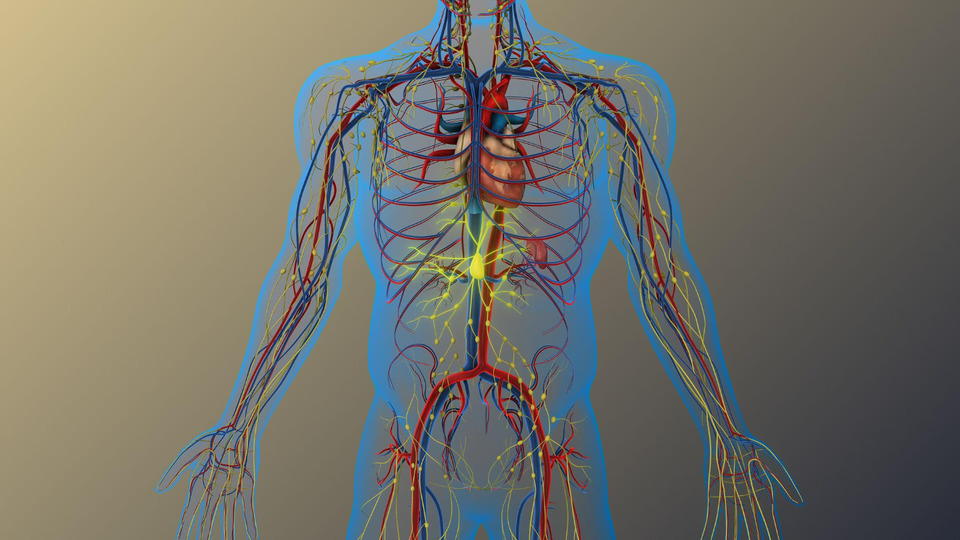
This 6 hour course provides licensed massage therapists with foundational and clinical application skills in the Vodder Method of Manual Lymphatic Drainage for postoperative clients. The course emphasizes lymphatic anatomy and physiology, surgical inflammation phases, contraindications, positioning, pressure control, and structured treatment sequencing. Participants will learn to apply safe, evidence-informed lymphatic techniques within scope of practice to support edema reduction and tissue healing following surgery.
Course Objectives
By the end of this 6 hour course, participants will be able to:
Describe the structure and function of the lymphatic system, including lymphatic vessels, nodes, ducts, and lymphatic territories relevant to postoperative recovery.
Explain the physiological rationale for Manual Lymphatic Drainage in managing postsurgical edema, inflammation, and tissue remodeling.
Identify the phases of surgical healing, including inflammatory, proliferative, and remodeling phases, and determine appropriate timing for lymphatic intervention.
Distinguish between normal postoperative swelling and red flag symptoms such as infection, hematoma, seroma, or deep vein thrombosis, and determine when referral is required.
Demonstrate correct hand positioning, pressure parameters, and stroke characteristics consistent with the Vodder Method, including:
• Stationary circles
• Pump technique
• Scoop technique
• Rotary techniqueApply proximal-to-distal treatment sequencing, clearing central lymphatic pathways before addressing distal edema.
Demonstrate safe client positioning for postoperative lymphatic sessions, including:
• Supine positioning with head and knee support
• Semi-reclined positioning when indicated
• Side-lying positioning for client comfort
• Position modifications for abdominal, orthopedic, or cosmetic surgery casesImplement proper bolstering techniques to reduce tension on incisions, drains, or healing tissue.
Modify treatment intensity, duration, and region of focus based on surgical type, tissue fragility, and stage of healing.
Develop a structured postoperative lymphatic session plan that integrates assessment findings, surgical history, and clinical goals.
Communicate effectively with postoperative clients regarding expected outcomes, treatment frequency, hydration, compression considerations, and self-care recommendations.
Learning Outcomes
Upon completion of the course, participants will demonstrate competency in performing foundational Vodder Manual Lymphatic Drainage techniques and applying them safely in postoperative contexts. Participants will integrate assessment, positioning, contraindications, and structured sequencing to support tissue recovery while maintaining professional and ethical standards within scope of practice.
Course Title
Muscle Scraping Technique, Gua Sha and Instrument Assisted Soft Tissue Mobilization
Course Duration
6 Hours, 6 CEUs
Course Description
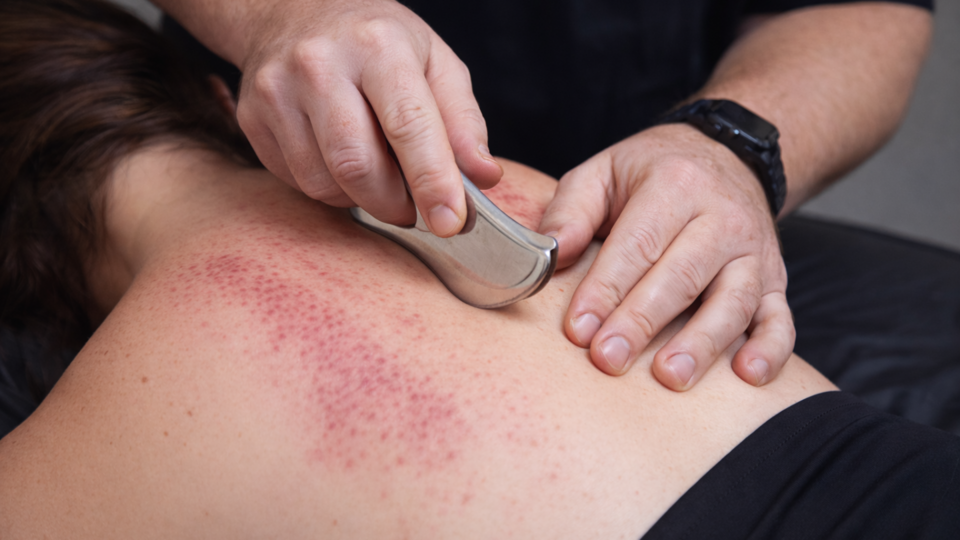
This 6 hour course prepares licensed massage therapists to apply muscle scraping, also referred to as Gua Sha or Instrument Assisted Soft Tissue Mobilization, within professional scope of practice. The course integrates soft tissue physiology, fascial mechanics, neurological responses, contraindications, client positioning, and safe application protocols. Emphasis is placed on assessment, tissue interpretation, pressure control, and clinical reasoning to enhance therapeutic outcomes.
Course Objectives
By the end of this 6 hour course, participants will be able to:
Explain the physiological mechanisms of muscle scraping, including controlled microstimulation, fascial shear deformation, and mechanoreceptor activation.
Differentiate between traditional Gua Sha applications and modern instrument assisted soft tissue mobilization approaches within massage therapy practice.
Identify absolute and relative contraindications, including anticoagulant use, uncontrolled hypertension, varicose veins, neuropathy, fragile skin, and acute inflammation.
Conduct a focused musculoskeletal assessment to determine appropriate treatment areas and clinical indications.
Demonstrate proper tool selection, grip mechanics, angle of application, and pressure control to ensure safe and effective tissue engagement.
Interpret skin responses accurately, including erythema, petechiae, and ecchymosis patterns, and differentiate normal responses from adverse reactions.
Demonstrate appropriate client positioning for full body application, including:
• Prone positioning for posterior chain work
• Supine positioning for anterior musculature
• Side lying positioning for hip and lateral structures
• Seated positioning when indicated for cervical and shoulder regionsApply region specific scraping protocols for the neck, shoulders, thoracic region, lumbar region, hips, lower extremities, and upper extremities.
Modify stroke direction, duration, and intensity based on tissue density, client tolerance, and treatment goals.
Integrate muscle scraping into a comprehensive massage session, including warm up techniques, blending methods, and post technique manual integration.
Provide clear client communication regarding expected sensations, potential skin responses, post care instructions, and hydration recommendations.
Learning Outcomes
Upon completion of the course, participants will demonstrate competency in assessment, safe tool handling, client positioning, and clinical application of muscle scraping techniques. Participants will apply structured treatment protocols that enhance mobility, reduce soft tissue restrictions, and maintain ethical and professional standards within massage therapy scope of practice.
Course Title
Sports Cupping Technique for Performance and Recovery
Course Duration
6 Hours, 6 CEUs
Course Description
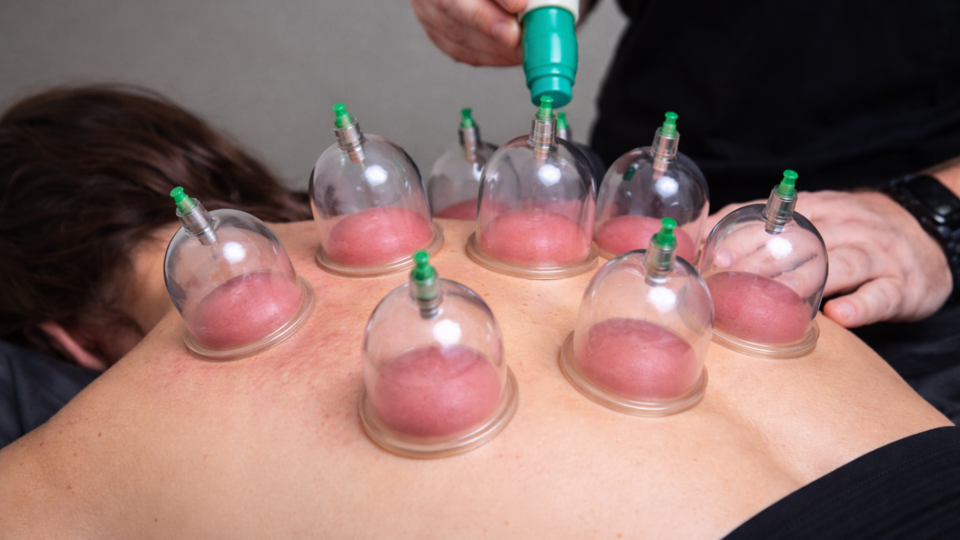
This 6 hour course prepares licensed massage therapists to safely apply sports cupping within clinical and athletic settings. The course integrates fascial physiology, circulatory effects, contraindications, client positioning, and movement-based cupping applications. Emphasis is placed on assessment, pressure control, tissue response interpretation, and performance-focused treatment planning.
Course Objectives
By the end of this 6 hour course, participants will be able to:
Explain the physiological mechanisms of sports cupping, including negative pressure effects on fascia, circulation, and neuromuscular response.
Differentiate between static cupping, dynamic cupping, and movement-based cupping applications.
Identify absolute and relative contraindications, including anticoagulant use, skin integrity compromise, uncontrolled hypertension, acute inflammation, and vascular disorders.
Conduct a focused musculoskeletal assessment to determine appropriate treatment regions for athletic performance and recovery.
Demonstrate safe cup selection, placement, suction intensity control, and duration guidelines.
Apply appropriate client positioning for sports cupping, including:
• Prone positioning for posterior chain and lower extremity work
• Supine positioning for anterior hip flexors and quadriceps
• Side lying positioning for lateral hip and shoulder structures
• Seated positioning for cervical and upper trapezius applicationsPerform dynamic cupping techniques that integrate glide patterns along muscle fibers and fascial planes.
Integrate cupping with active and passive range of motion techniques to enhance mobility and tissue elasticity.
Interpret normal skin responses, including erythema and temporary cup marks, and distinguish expected outcomes from adverse reactions.
Develop a structured sports recovery session plan that incorporates warm up, cupping application, manual integration, and post session recommendations.
Provide clear client education regarding hydration, expected tissue response, post treatment soreness, and return to activity guidelines.
Learning Outcomes
Upon completion of the course, participants will demonstrate competency in assessment, safe application, positioning, and integration of sports cupping techniques. Participants will apply performance based treatment strategies that support mobility, recovery, and tissue resilience while maintaining professional standards and scope of practice.
Course Title
Sports Massage Technique for Athletic Performance and Recovery
Course Duration
6 Hours, 6 CEUs
Course Description
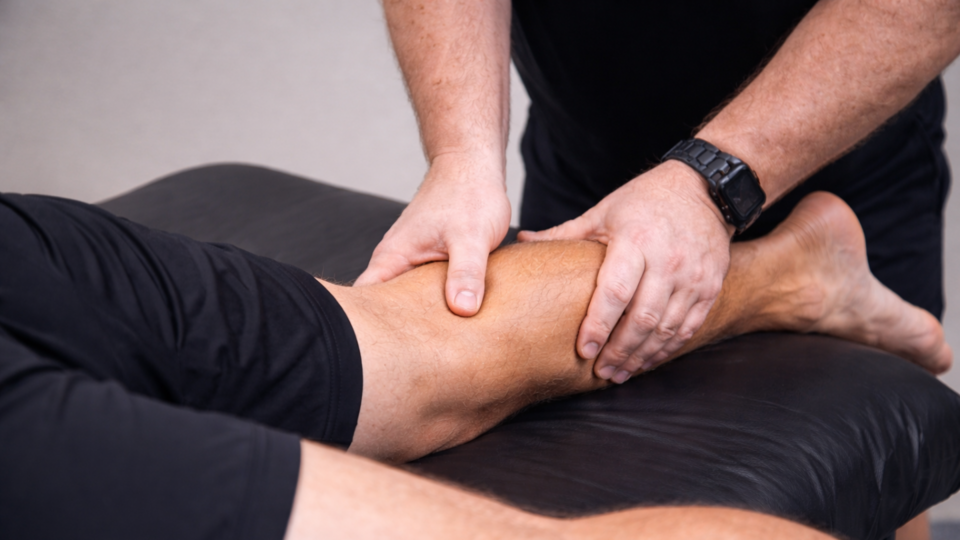
This 6 hour course prepares licensed massage therapists to apply sports massage techniques for performance enhancement, injury prevention, and recovery. The course integrates functional anatomy, biomechanical assessment, tissue loading principles, contraindications, and client positioning. Emphasis is placed on treatment planning for pre event, post event, maintenance, and rehabilitation focused sessions within scope of practice.
Course Objectives
By the end of this 6 hour course, participants will be able to:
Explain the physiological effects of sports massage on circulation, neuromuscular activation, fascial mobility, and recovery processes.
Differentiate between pre event, post event, maintenance, and rehabilitative sports massage protocols.
Conduct a focused musculoskeletal assessment to identify muscle imbalances, movement restrictions, and overuse patterns.
Identify absolute and relative contraindications, including acute injury, systemic inflammation, fractures, and suspected vascular compromise.
Demonstrate safe and effective client positioning for sports massage, including:
• Prone positioning for posterior chain treatment
• Supine positioning for anterior hip, quadriceps, and lower extremity work
• Side lying positioning for hip and lateral structures
• Seated positioning for cervical, shoulder, and upper extremity workApply region specific techniques for the neck, shoulders, thoracic spine, lumbar spine, hips, hamstrings, quadriceps, calves, and upper extremities.
Integrate compression, petrissage, friction, stretching, and joint mobilization within scope of practice to address performance limitations.
Modify pressure, tempo, and technique selection based on athletic demands, training cycles, and competition schedules.
Incorporate assisted stretching and movement based techniques to enhance flexibility and functional mobility.
Develop a structured sports massage treatment plan aligned with the athlete’s goals, sport specific demands, and recovery timeline.
Provide clear client education regarding hydration, recovery strategies, self care, and return to activity guidelines.
Learning Outcomes
Upon completion of the course, participants will demonstrate competency in assessment, positioning, technique application, and performance based treatment planning. Participants will integrate evidence informed sports massage strategies to support mobility, tissue resilience, and recovery while maintaining professional standards and scope of practice.
Course Title
KT Taping for Injury Prevention and Performance Support
Course Duration
6 Hours, 6 CEUs
Course Description
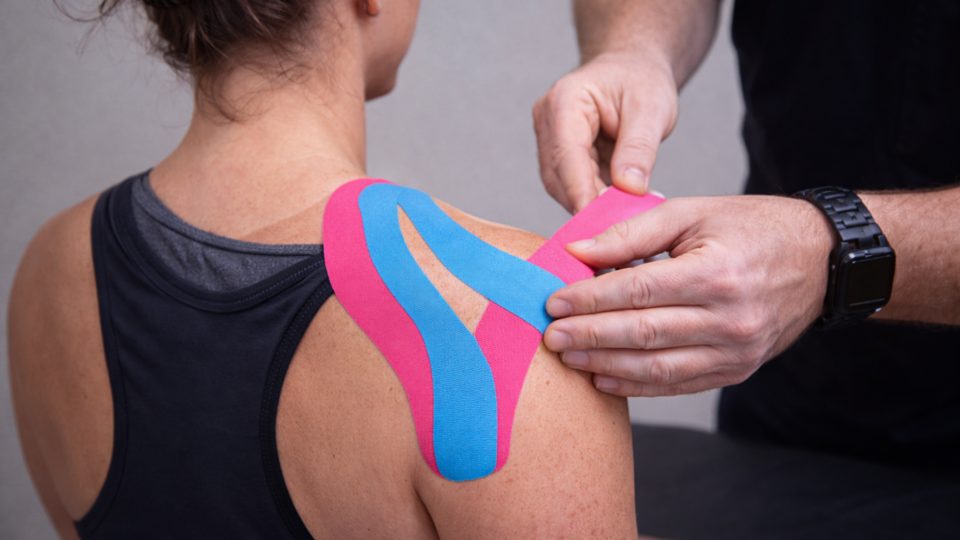
This 6 hour course prepares licensed massage therapists to apply kinesiology taping techniques to support injury prevention, postural correction, and athletic performance. The course integrates functional anatomy, neuromuscular facilitation principles, contraindications, client positioning, and corrective taping strategies. Emphasis is placed on assessment, tape tension control, directional application, and movement-based outcomes within scope of practice.
Course Objectives
By the end of this 6 hour course, participants will be able to:
Explain the physiological mechanisms of kinesiology taping, including neurosensory stimulation, proprioceptive feedback, and fascial decompression.
Differentiate between facilitation and inhibition taping applications based on muscle function and movement goals.
Identify absolute and relative contraindications, including open wounds, active infection, skin sensitivity, uncontrolled diabetes, and suspected deep vein thrombosis.
Conduct a focused postural and movement assessment to determine appropriate taping strategies for injury prevention.
Demonstrate proper tape measurement, cutting techniques, anchor placement, and tension grading.
Apply correct client positioning for taping applications, including:
• Lengthened muscle positioning for facilitation
• Shortened muscle positioning for inhibition
• Functional posture positioning for corrective taping
• Seated, supine, prone, and standing positions based on region treatedPerform region specific taping techniques for common injury prone areas, including:
• Shoulder stabilization
• Lumbar support
• Knee tracking support
• Ankle stabilization
• Plantar fascia supportApply corrective taping for postural deviations such as rounded shoulders and anterior pelvic tilt.
Integrate taping with manual therapy and exercise recommendations to support performance and recovery.
Educate clients on wear time, skin monitoring, activity precautions, and safe tape removal.
Develop a structured injury prevention plan that incorporates assessment findings, taping strategy, and functional movement goals.
Learning Outcomes
Upon completion of the course, participants will demonstrate competency in assessment, positioning, tape application, and clinical reasoning for injury prevention. Participants will apply kinesiology taping techniques safely and effectively to support joint stability, muscular balance, and athletic performance while maintaining professional standards and scope of practice.


 OfferingTree